
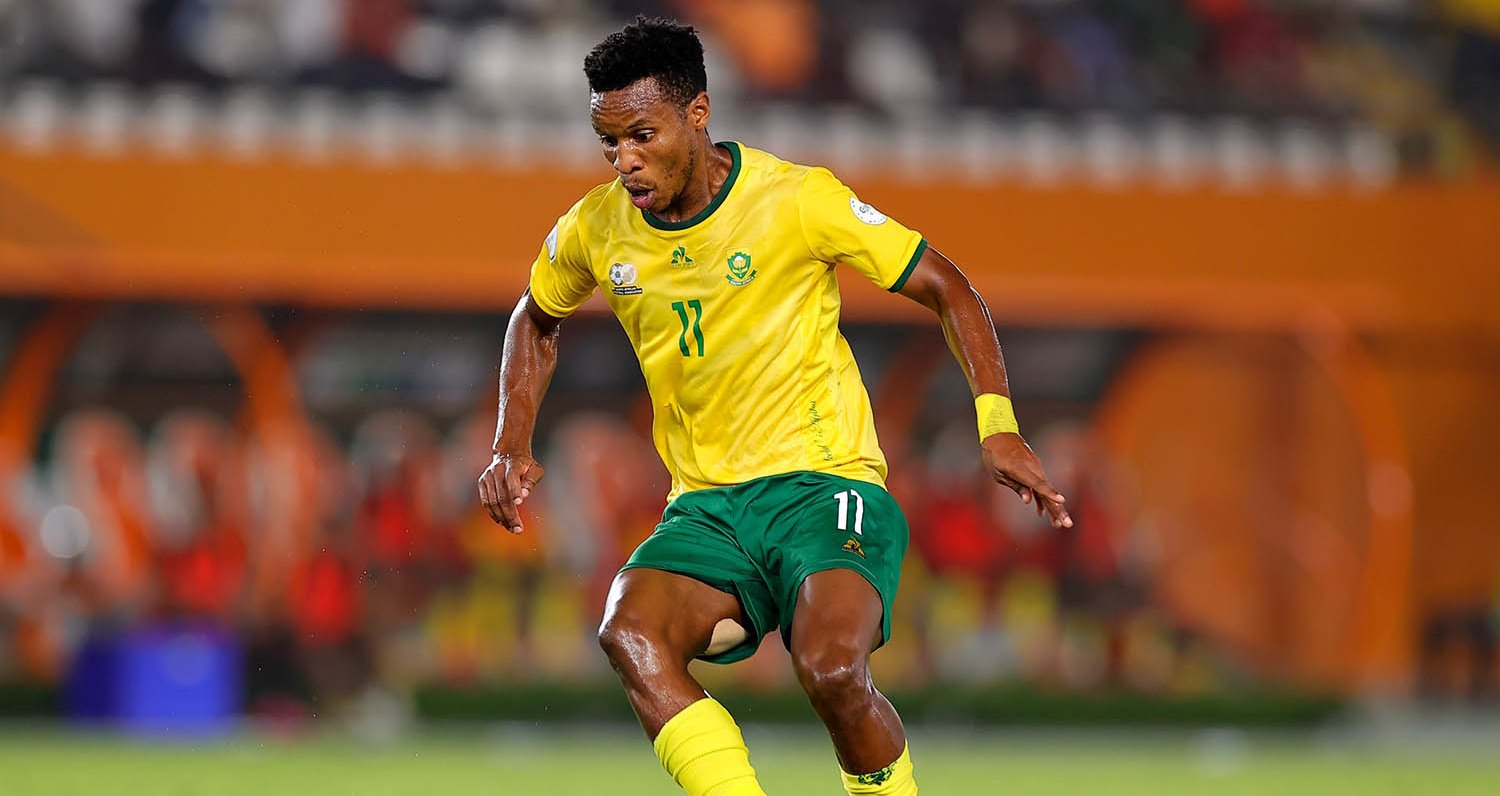
Zwane, Rayners and the AFCON What-If for Bafana Bafana
South Africa’s Africa Cup of Nations journey ended in frustration after a 2–1 round-of-16 defeat to Cameroon, a result that felt less like a gulf in quality and more like a missed opportunity. For long stretches, Bafana Bafana controlled the ball, fashioned chances and looked the likelier side — yet once again left the pitch punished for not being ruthless where it matters.
Coming into the tournament, expectations were high. Hugo Broos’ side carried momentum from an impressive World Cup qualifying run and a long unbeaten streak, with many believing a repeat — or improvement — on the previous bronze-medal finish was achievable. Instead, Morocco proved a step too far, not because South Africa were outplayed, but because they struggled to impose themselves decisively.
Across the group stage — a narrow win over Angola, a 1–0 loss to Egypt and a dramatic 3–2 victory against Zimbabwe — Bafana rarely hit top gear. The confidence and authority that defined qualifying were replaced by indecision. Possession was plentiful, but penetration was limited. Against a Cameroon team that failed to qualify for the upcoming World Cup, South Africa enjoyed the better of the play but squandered key moments.
That is where the absence of Themba Zwane loomed large. Leaving “Mshishi” at home due to late fitness concerns may have been cautious, but the tournament exposed what his profile brings at this level: composure between the lines, the ability to dictate tempo, and the imagination to unlock compact defences. Without him, too much of Bafana’s possession drifted sideways, attacks became predictable, and central areas — where AFCON games are often decided — lacked a true conductor.
In the knockout loss to Cameroon, those shortcomings were amplified. South Africa started brightly, created early openings, but lacked the calm decision-making to turn pressure into goals. Once Cameroon took their chances, Bafana were forced to chase the game without a natural organiser to slow things down, reset, and find different solutions. Discipline and structure were there; creativity and control at critical moments were not.
Up front, the debate is similar. Lyle Foster’s work rate and link-up play were evident, but against a physical, well-drilled defence, Bafana needed variety. Iqraam Rayners could have provided that alternative: sharper movement, more aggressive pressing, and a direct threat in behind. Evidence Makgopa’s late goal after coming on showed Cameroon could be unsettled by a different striker profile — the kind of edge Rayners might have offered earlier and more consistently.
From a tactical standpoint, Broos’ approach also came under scrutiny. As Daily Maverick columnist Yanga Sibembe observed, South Africa appeared to play “not to lose” rather than to win — an imposter-syndrome mindset that contrasted sharply with the freedom and bravery shown during the bronze-medal run two years ago. Against Cameroon, the initial setup was conservative, placing heavy responsibility on attackers to be clinical with limited chances. When they weren’t, the margin for error disappeared.
The head coach, Hugo Broos, rejected the idea that his team is regressing, pointing instead to fine margins and bad luck. He acknowledged defensive issues and the need for a thorough post-tournament evaluation, with the World Cup firmly in mind. That reflection will be crucial — because while cohesion and organisation carried Bafana far, AFCON once again showed that elite tournaments are decided by moments of imagination and bravery.
Cameroon, for their part, were clinical and composed. Midfielder Carlos Baleba, named Man of the Match, spoke of belief and collective mindset — qualities that allowed the Indomitable Lions to survive South Africa’s pressure and strike when it counted. Their reward is a quarter-final clash with Morocco.
AFCON exit underlines what Bafana Bafana missed without Themba Zwane and Iqraam Rayners
For South Africa, the pain lies in how avoidable the exit felt. The platform was there: possession dominance, territorial control, and early chances. What was missing was the extra layer — the player who sees a pass others don’t, the forward who disrupts a settled defence, the courage to lean into strengths rather than protect status.
As Bafana turn their focus to the World Cup in June, the lesson is clear. Momentum from qualifying will mean little if the same conservative tendencies resurface. Braver selection calls, greater attacking ambition, and a willingness to trust creative match-winners like Zwane — fitness permitting — could make the difference between another “nearly” moment and genuine progress on the biggest stage.